💬 Thoughts 📖 Posts 📡 RSS

A New Comment System

I was reading about the latest WordPress 3.0 release, yet another step forward in open source software. I was eager to try it, so I updated last night. But the more interesting thing in the midst of my reading was a program also by the folks that make WordPress; more specifically, I was reading a sarcastic essay written by Matt Mullenweg, creator of WordPress. He was writing about how comment systems were in serious need of an update and was pushing for the comment system implemented in IntenseDebate. So I gave it a shot, and that’s what’s running the comments now.

A Talk With An Electronics Industry Analyst

I recently had the opportunity to ask some questions to Mike Demler, electronics analyst and writer at The World Is Analog. He has many years of industry experience, culminating by recently joining DIGDIA**, a strategic consulting service that helps with market analysis and business planning. Let’s see what he had to say:

Chris Gammell: Can you please explain your background?

Mike Demler: Explaining it may not be that easy, but I’ll give it a try.

Final Thoughts On The Embedded Community

This is part 3 of 4 in a series about ESC Chicago and the Sensors Expo and Conference. See previous posts about Day 1 and Day 2.

I imagine if a doctor was diagnosing the medical condition of the embedded community, he would walk into the tiny exam room, take one look at the embedded community sitting there in its socks and underwear on the crinkly disposable exam table cover and say:

ESC Chicago and Sensors Conference and Expo, Day 2

Wow.

What a whirlwind day. I started at 7:30 am and I ended at 10:30 pm, my mind still reeling. I was talking Beagle Boards and Agile processes in the morning and discussing the media (with the media) and visiting hackerspaces in the evening. But the best part about it? I felt like there were a lot of people around me that cared about similar stuff to what I do.

I am lucky enough to work with some of these people as well. But the nerd population in Cleveland isn’t at the critical mass that occurs at conferences nor at hackerspaces. So yesterday was a great opportunity to converse on some of the topics I love with people who were interested to hear it (in person of course, I realize there are many great people who “listen” to me on this site…thanks!).

ESC Chicago and Sensors Conference, Day 1

The first day of the sensors and ESC conference is meant to be a symposium…think college lecture, but for 8 hours. It was an interesting first view of not only the presenters, but also the audience; the ones who cared enough to pay and attend for all 3 days (going to see only the “expo” for the next two days is free). These same lucky people will get to attend breakout sessions for the remaining days.

Going A-Conferencing!

I recently found out that I’ll be attending the Embedded Systems Conference in Chicago early next week. I also will be attending some of the events at Sensors Expo & Conference, which is being held in the same conference center. I couldn’t be happier that I get to attend two conferences in one shot AND that I get to visit Chicago in the process.

So why embedded systems? “I thought this was a site about analog electronics,” you say. Well, it is. But good luck making an all-analog system these days. These days, analog is more about signal conditioning, power, control and accuracy. I mean, everything is analog in the end. Even digital signals will look analog if you clock them fast enough; but the point is, digital is an important topic to know as well. Embedded systems let you interface to the fun analog systems at a lower level (think running code in C instead of a full blown implementation of Windows) so you can run your systems even faster, cheaper and using less power.

Where Are All The (Electrical) Engineer Sites?

I’ve asked communities I’m a part of where all the electronics sites are. The truth is there are some out there, and the popular ones are there for a reason. They produce a lot of great content and highlight engineers and hobbyists who really contribute a lot to their respective communities. But why aren’t there more? Are electronics just innately uninteresting? I don’t think so–obviously–or else I’d have a bit of a conflict of interests. So what is it that prevents more people from publishing sites about electronics?

A Slightly Changed Course

Holidays have been used in the past to paste some pictures together for my background image. This time it was a change of role as well. As I’ve once stated, I don’t really like the “sustainability” title on things. It’s much too management whereas I like focusing on engineering. So I stuck to the “renewable energy” stuff, or so I said. In the meantime I’ve realized that I really don’t write about renewable energy anymore. It turned out it WAS a passing phase for me, as Cherish from “Faraday’s Cage is where you put Schroedinger’s Cat” once said in the comments of a post.

A Talk With An EDA Consultant

As more circuits get pushed into SoC (Systems on a Chip), the software that designs them becomes more and more important. Well, it’s been important for a while now. Important enough to be a multi-billion dollar industry. Biiiiig money.

Harry Gries is an EDA consultant with over 20 years in the electronics industry in various roles. He now consults for different companies and also writes a blog about his experience called “Harry…The ASIC Guy”. I love hearing about the different pieces of the electronics food chain and Harry was nice enough to take some time to talk to me about his work. Let’s see what he had to say…

Is There Room For The Electronics Industry In A Sustainable World?

Even though I’ve stated that I’m not as interested in sustainability as I used to be, it doesn’t mean I don’t think about it. I have been thinking about it in conjunction with investing and my own work in the electronic industry.

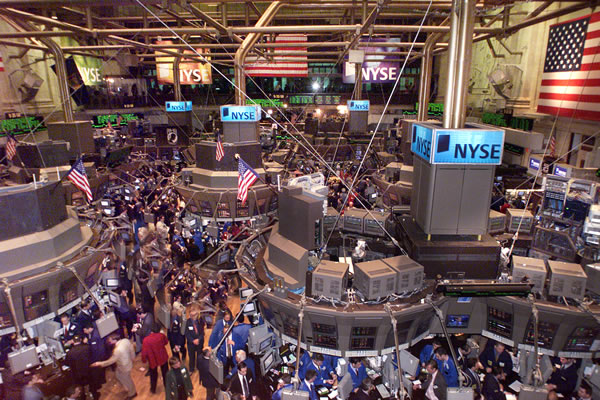
Growth is a very important component to the electronics business. It’s priced into many stocks and it drives much of the electronics food chain. Moore’s law has helped for a long time too. Shrinking the geometry of silicon every 18 months really required manufacturers to update their equipment often. This then drives the equipment manufacturers to advance technology to make the new fabrication possible. The analog engineers (ok, digital too) out there utilize the new chips and make requests for the next generation. The ripple effect continues all the way down the line, requiring input from the manfacturers and returning revenue to the shareholders of said manufacturers. Like I said, this growth is an assumption and is priced into how people invest in companies involved in electronics manufacturing.